
How To Lose Weight For Beginners
www.ChooseTheBestSolution.com
To Lose Weight As A Beginner: Many health professionals recommend that individuals:
1- Create a calorie deficit by consuming 500-750 fewer calories than your body burns daily, leading to 1-2 pounds of healthy weight loss per week.
2- Start by calculating your Total Daily Energy Expenditure (TDEE), then
3- Focus on eating whole foods like lean proteins, vegetables, and complex carbohydrates while tracking your intake.
4- Combine above with 150 minutes of weekly cardio and 2-3 strength training sessions.
5- Build sustainable habits around:
- adequate sleep (7-9 hours),
- proper hydration (8-10 glasses daily), and
- consistent meal planning.
6- Avoid extreme diets and focus on gradual, sustainable changes you can maintain long-term for lasting results.

Read more below…
How to Lose Weight for Beginners: Complete Step-by-Step Guide
If you’re reading this, you’re probably feeling overwhelmed by the mountain of weight loss advice out there.
One expert says cut carbs, another swears by intermittent fasting, and your friend lost 30 pounds doing something completely different.
Meanwhile, you’ve tried several approaches, felt frustrated when they didn’t work, and now you’re not sure where to start.
Here’s the truth: weight loss doesn’t have to be complicated.
You don’t need expensive meal plans, grueling two-hour workouts, or supplements that promise magical results.
What you need is a straightforward, science-backed approach that actually fits into your real life.
This complete guide will teach you how to lose weight for beginners using proven principles that work.
You’ll learn exactly how weight loss works, how to calculate your personal calorie needs, what to eat, how to exercise effectively, and how to build sustainable habits that last beyond just a few weeks.
By the end, you’ll have a clear action plan to start your weight loss journey with confidence.
Let’s set realistic expectations upfront: healthy, sustainable weight loss is about 1-2 pounds per week. That might sound slow, but it’s the approach that actually works long-term.
Quick fixes lead to quick regains. Slow and steady keeps the weight off for good.
Ready? Let’s dive in.
Understanding Weight Loss Basics
How Weight Loss Actually Works
Weight loss comes down to one fundamental principle: creating a caloric deficit. This means consuming fewer calories than your body burns each day. It’s often called “calories in versus calories out” or CICO for short.
Think of your body like a bank account. The food you eat deposits calories (energy), and everything your body does—breathing, thinking, moving, digesting—withdraws calories. When you deposit less than you withdraw, your body taps into its savings (stored fat) to make up the difference. That’s when you lose weight.
Your body burns calories in three main ways:
Basal Metabolic Rate (BMR): This is the energy your body uses just to stay alive—pumping your heart, breathing, maintaining your body temperature. It accounts for about 60-70% of the calories you burn daily, even if you never get off the couch.
Physical Activity: This includes both structured exercise (gym sessions, runs, workouts) and daily movement like walking to your car, taking stairs, or doing household chores. This accounts for about 15-30% of your calorie burn.
Thermic Effect of Food (TEF): Believe it or not, your body burns calories digesting food. Protein requires the most energy to digest, which is one reason high-protein diets are popular for weight loss. This accounts for about 10% of calories burned.
Here’s why fad diets fail:
They create unsustainable restrictions. Cutting out entire food groups, eating only cabbage soup, or drinking nothing but juice for days might create a calorie deficit, but you can’t maintain it.
The moment you return to normal eating, the weight comes back—often with extra pounds.
The key to successful weight loss for beginners is creating a moderate calorie deficit you can maintain for months, not days.
Setting Realistic Goals
One of the biggest mistakes beginners make is setting unrealistic expectations. Those advertisements promising “lose 30 pounds in 30 days” aren’t just misleading—they’re dangerous. Rapid weight loss often means you’re losing water weight and muscle, not fat. Worse, extreme approaches wreck your metabolism and set you up for regaining everything you lost.
Here’s what healthy weight loss looks like:
1-2 pounds per week is the gold standard. At the higher end, you might lose 2 pounds weekly if you have more weight to lose or are very consistent. As you get closer to your goal weight, 0.5-1 pound per week is more realistic.
To lose 1 pound of fat, you need to create a deficit of about 3,500 calories. That means cutting 500 calories per day (through diet, exercise, or both) leads to 1 pound lost per week. Cut 750 calories daily, and you’re looking at 1.5 pounds per week.
But here’s what matters more than the number on the scale: how you feel and function. A healthy goal weight depends on your height, body composition, and overall health. Body Mass Index (BMI) can be a starting point—a healthy BMI is typically 18.5-24.9—but it’s not perfect since it doesn’t account for muscle mass.
Set a realistic timeline.
If you want to lose 30 pounds, that’s 15-30 weeks at a healthy pace. That might be 4-7 months. It sounds like a long time, but consider this: the time will pass anyway.
Would you rather spend those months developing sustainable habits that keep weight off, or crash dieting and regaining it all?
Focus on process goals, not just outcome goals. Instead of “lose 20 pounds,” set goals like “meal prep every Sunday,” “walk 30 minutes five times per week,” or “eat protein at every meal.” These actions lead to weight loss and are within your control.
Common Myths Debunked
Before we get into the how-to, let’s clear up some weight loss myths that might be holding you back:
Myth 1: “You need to cut carbs completely.”
Truth: Carbohydrates don’t make you gain weight—excess calories do. Carbs are your body’s preferred energy source. The key is choosing quality carbs (whole grains, fruits, vegetables) over refined carbs (white bread, sugary snacks) and eating them in appropriate portions.
Myth 2: “Eating after 6 PM causes weight gain.”
Truth: Your body doesn’t have a magical cutoff time when calories suddenly count double. What matters is your total calorie intake over the day, not when you eat. That said, late-night eating can be problematic if you’re eating mindlessly in front of the TV or choosing high-calorie snacks.
Myth 3: “You must exercise 2 hours daily to lose weight.”
Truth: While exercise is beneficial, you don’t need marathon gym sessions. Weight loss is 80% diet, 20% exercise. A 30-minute walk and smart food choices will get you much further than hours at the gym while eating poorly.
Myth 4: “Certain foods burn fat magically.”
Truth: No single food melts fat away. Foods like grapefruit, green tea, or apple cider vinegar may have minor metabolic benefits, but they won’t cause significant weight loss on their own. The only “magic” is consistency with a calorie deficit.
Now that we’ve covered the basics, let’s get into the practical steps.
Step 1: Calculate Your Numbers
You can’t hit a target you haven’t identified. Before changing anything about your diet or exercise, you need to know your starting point and your numbers.
Find Your Starting Point
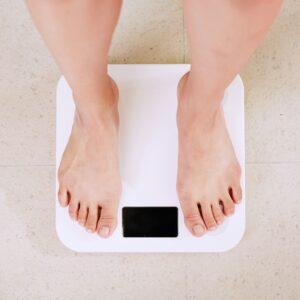
Weigh yourself properly: Step on the scale first thing in the morning, after using the bathroom, before eating or drinking, and wearing minimal clothing.
This gives you the most consistent reading. Your weight fluctuates 2-5 pounds throughout the day due to food, water, and waste in your system.
Weigh yourself once per week, same day, same time, same conditions. Daily weigh-ins can be discouraging because normal fluctuations (from sodium intake, hormones, or intense workouts) might mask fat loss. Weekly weigh-ins show the actual trend.
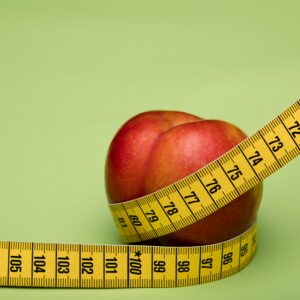
Take measurements beyond the scale: The scale doesn’t tell the whole story. Grab a measuring tape and record:
- Waist (at belly button level)
- Hips (widest part)
- Thighs
- Chest and Arms
Sometimes you’ll lose inches while the scale stays the same—especially if you’re building muscle through strength training. These measurements prove you’re making progress.
Take progress photos: Wear fitted clothing or workout attire. Take front, side, and back photos in the same spot with the same lighting. You’ll be amazed at the visual changes that happen even when the scale moves slowly. Take new photos every 2-4 weeks.
Calculate Your Calorie Needs
Here’s where beginners often get stuck, but it’s simpler than you think.
Step 1: Calculate your BMR (Basal Metabolic Rate)
This is how many calories your body burns at complete rest. Use the Mifflin-St Jeor equation:
For women:
BMR = (10 × weight in kg) + (6.25 × height in cm) – (5 × age in years) – 161
For men:
BMR = (10 × weight in kg) + (6.25 × height in cm) – (5 × age in years) + 5
Example: A 35-year-old woman who weighs 170 pounds (77 kg) and is 5’6″ (168 cm):
BMR = (10 × 77) + (6.25 × 168) – (5 × 35) – 161
BMR = 770 + 1,050 – 175 – 161 = 1,484 calories
Step 2: Calculate your TDEE (Total Daily Energy Expenditure)
Your TDEE accounts for your activity level. Multiply your BMR by your activity factor:
- Sedentary (little to no exercise): BMR × 1.2
- Lightly active (light exercise 1-3 days/week): BMR × 1.375
- Moderately active (moderate exercise 3-5 days/week): BMR × 1.55
- Very active (hard exercise 6-7 days/week): BMR × 1.725
- Extremely active (very hard exercise, physical job): BMR × 1.9
Using our example, if this woman is lightly active:
TDEE = 1,484 × 1.375 = 2,040 calories
This means she burns about 2,040 calories per day with her current activity level.
Step 3: Determine your calorie deficit
To lose weight safely and sustainably:
- Subtract 500 calories for 1 pound per week loss
- Subtract 750 calories for 1.5 pounds per week loss
Our example woman would eat:
- 1,540 calories daily to lose 1 pound per week
- 1,290 calories daily to lose 1.5 pounds per week
Important minimum thresholds:
Women should not eat below 1,200 calories daily. Men should not eat below 1,500 calories daily. Going lower can slow your metabolism, cause nutrient deficiencies, and lead to muscle loss.
If your calculation puts you below these minimums, aim for the minimum and add more physical activity to create your deficit.
Discover the natural way to energize and slim down!
Understanding Macronutrients
Calories are important, but what you eat matters too. Macronutrients—protein, carbohydrates, and fats—all play different roles in your body.
Protein: Your Weight Loss Ally
Protein is crucial for weight loss because it:
- Keeps you feeling full longer than carbs or fats
- Preserves muscle mass while you lose fat
- Has the highest thermic effect (your body burns more calories digesting it)
- Stabilizes blood sugar and reduces cravings
Aim for 0.7-1 gram of protein per pound of body weight. If you weigh 170 pounds, that’s 119-170 grams of protein daily.
Good sources: chicken breast, turkey, fish, lean beef, eggs, Greek yogurt, cottage cheese, tofu, tempeh, legumes, protein powder.
Carbohydrates: Your Energy Source
Carbs fuel your workouts and daily activities. Don’t fear them—just choose wisely.
Focus on complex carbohydrates: oats, quinoa, brown rice, sweet potatoes, whole wheat bread, fruits, and vegetables. These provide sustained energy and fiber.
Limit simple/refined carbs: white bread, pastries, sugary cereals, candy, soda. These spike blood sugar and leave you hungry quickly.
Fats: Essential for Health
Dietary fat doesn’t make you fat—excess calories do. Your body needs fat for hormone production, vitamin absorption, and brain health.
Focus on healthy fats: avocados, nuts, seeds, olive oil, fatty fish (salmon, mackerel), nut butters.
Limit saturated and trans fats: fried foods, processed snacks, excessive red meat.
Simple Macro Ratios for Beginners:
Don’t overthink this at first. A good starting point:
- 40% carbohydrates
- 30% protein
- 30% fats
Using our 1,540-calorie example:
- Carbs: 154g (40% of 1,540 = 616 calories ÷ 4 calories per gram)
- Protein: 115g (30% of 1,540 = 462 calories ÷ 4 calories per gram)
- Fats: 51g (30% of 1,540 = 462 calories ÷ 9 calories per gram)
You can adjust these ratios based on what keeps you satisfied. Some people do better with higher protein and lower carbs; others need more carbs for energy. Experiment and find what works for you.
Step 2: Create a Sustainable Eating Plan
Now that you know your numbers, let’s talk about what to actually eat. The best diet is the one you can stick with long-term.
Focus on Whole Foods
Whole foods are foods in their natural state or minimally processed. They’re more filling, nutrient-dense, and harder to overeat than processed foods.
Lean Proteins:
- Chicken breast and thighs (skinless)
- Turkey
- Fish (salmon, tuna, cod, tilapia)
- Lean beef (sirloin, ground beef 90% lean or higher)
- Pork tenderloin
- Eggs and egg whites
- Greek yogurt (unsweetened)
- Cottage cheese
- Tofu and tempeh
- Legumes (beans, lentils, chickpeas)
Complex Carbohydrates:
- Oats (steel-cut or rolled)
- Quinoa
- Brown rice
- Sweet potatoes and regular potatoes
- Whole wheat bread and pasta
- Barley
- Fruits (berries, apples, bananas, oranges)
- Vegetables (all of them!)
Healthy Fats:
- Avocados
- Nuts (almonds, walnuts, cashews)
- Seeds (chia, flax, pumpkin)
- Olive oil and avocado oil
- Nut butters (almond, peanut)
- Fatty fish
- Eggs (the yolks contain healthy fats)
Vegetables and Fruits: Load up on these! They’re low in calories, high in fiber and nutrients. You can eat large volumes without breaking your calorie bank.
Prioritize vegetables: spinach, kale, broccoli, cauliflower, Brussels sprouts, peppers, tomatoes, carrots, zucchini, mushrooms, asparagus.
Enjoy fruits in moderation: While healthy, fruit contains natural sugars. Stick to 2-3 servings daily. Berries are particularly good because they’re lower in sugar and high in fiber.
Meal Planning for Beginners

Meal planning prevents decision fatigue and helps you stay on track.
You’re much less likely to order takeout when you have a healthy meal ready to go.
Start Simple:
- Breakfast: Make it consistent. Find 2-3 breakfast options you enjoy and rotate them. This removes morning decision-making.
- Lunch: Perfect for meal prep. Make 4-5 servings on Sunday.
- Dinner: Plan 5-6 dinners for the week. Leave room for 1-2 flexible meals.
- Snacks: Prep 1-2 healthy snacks to have between meals if needed.
Weekly Meal Prep Strategy:
Set aside 2-3 hours on Sunday (or your day off):
- Cook proteins in bulk: Grill or bake 3-4 pounds of chicken breasts. Season differently for variety (lemon pepper, BBQ rub, Italian seasoning, taco seasoning).
- Prepare complex carbs: Cook a large pot of brown rice or quinoa. Roast sweet potatoes.
- Chop vegetables: Wash and chop veggies for the week. Store in containers so they’re grab-and-go ready.
- Assemble meals: Portion proteins, carbs, and veggies into containers. You now have 4-5 lunches ready.
- Prep breakfast: Hard boil a dozen eggs, portion out overnight oats, or prep egg muffins to reheat.
Batch Cooking Basics:
Invest in good storage containers (glass is best). Label them with contents and date. Most prepped meals last 4-5 days in the refrigerator. You can also freeze portions for later.
Make double batches of dinners and freeze half. Future you will be grateful when you’re exhausted and have a healthy meal ready to reheat.
Sample One-Day Meal Plan (1,500 calories):
Breakfast (400 calories):
- 2 scrambled eggs with spinach
- 1 slice whole wheat toast
- 1/2 avocado
- Black coffee or tea
Lunch (450 calories):
- 5 oz grilled chicken breast
- 1 cup brown rice
- 2 cups roasted vegetables (broccoli, peppers, carrots)
- Drizzle of olive oil
Snack (200 calories):
- Greek yogurt (plain, 2%)
- 1/4 cup berries
- Sprinkle of granola
Dinner (450 calories):
- 5 oz baked salmon
- Large salad with mixed greens, cherry tomatoes, cucumber
- 1 medium sweet potato
- 2 tbsp balsamic vinaigrette
Total: 1,500 calories, approximately 130g protein, 150g carbs, 50g fat
Portion Control Without Obsessing
You don’t need to weigh every morsel of food forever, but understanding portions is crucial at the beginning.
The Plate Method:
This visual guide makes portion control simple:
- Fill 1/2 your plate with non-starchy vegetables
- Fill 1/4 with lean protein
- Fill 1/4 with complex carbohydrates
- Add a small amount of healthy fat
This automatically creates a balanced, calorie-appropriate meal.
Hand Portion Guide:
Your hand is a portable measuring tool:
- Palm = Protein: A palm-sized portion of meat, fish, or tofu (about 3-4 oz cooked)
- Fist = Carbs: A fist-sized portion of rice, pasta, potatoes, or fruit
- Thumb = Fats: A thumb-sized portion of oils, butter, or nut butter
- Handful = Vegetables: As many handfuls as you want (non-starchy veggies)
For women, aim for 1 palm protein, 1 fist carbs, 1 thumb fat per meal.
For men, aim for 2 palms protein, 2 fists carbs, 2 thumbs fat per meal.
Eat Mindfully:
Slow down. It takes 20 minutes for your brain to register fullness. Put your fork down between bites. Chew thoroughly. Eliminate distractions—turn off the TV, put away your phone.
Ask yourself: Am I actually hungry, or am I bored, stressed, or sad?
Hunger Scale:
Rate your hunger on a scale of 1-10:
- 1-2: Starving, irritable, low energy
- 3-4: Hungry, ready to eat
- 5-6: Satisfied, neutral
- 7-8: Full, comfortable
- 9-10: Stuffed, uncomfortable
Start eating at 3-4 and stop at 7. Never let yourself get to 1-2 (you’ll overeat) and never eat to 9-10 (you’ve eaten past fullness).
Dealing with Cravings

Cravings are normal. The key is managing them without derailing your progress.
The 80/20 Rule:
Eat nutritious, whole foods 80% of the time. The other 20% is flexible for foods you love. This might mean 4-5 meals per week are whatever you want (within your calorie budget).
This prevents the feeling of deprivation that causes people to quit. If you love pizza, have pizza—just account for it in your calories and enjoy it without guilt.
Smart Swaps:
Instead of completely eliminating favorite foods, find lighter versions:
- Regular ice cream → Halo Top or frozen Greek yogurt
- Potato chips → Baked chips or air-popped popcorn
- Regular soda → Sparkling water with fruit
- Candy → Dark chocolate (70% cacao or higher)
- Fried foods → Air fryer versions
- Full-fat dressings → Lighter versions or use less
Craving Management Strategies:
- Wait 15 minutes: Most cravings pass if you distract yourself.
- Drink water: Sometimes thirst masquerades as hunger.
- Have a small portion: If you’re truly craving something, have a reasonable amount. Trying to ignore it often leads to eating everything in your pantry before finally eating what you wanted.
- Identify triggers: Do you crave sweets after dinner? Snacks while watching TV? Understand your patterns and create new habits.
- Don’t keep trigger foods in the house: Can’t eat a whole bag of chips if there’s no bag of chips.
Emotional Eating:
Many people eat for reasons other than hunger—stress, boredom, sadness, celebration, or habit.
Build awareness: Before eating, pause and ask, “Am I physically hungry or eating for another reason?”
Find alternative coping mechanisms:
- Stressed? Take a walk, call a friend, do deep breathing
- Bored? Read, start a hobby, organize something
- Sad? Journal, watch a funny video, take a bath
- Celebrating? Food doesn’t have to be the only reward—try new experiences
Step 3: Start Moving Your Body

Exercise accelerates weight loss, builds muscle, improves health, and boosts mood.
But here’s the good news: you don’t need to become a gym rat.
Exercise for Weight Loss Beginners
The Reality Check:
You cannot out-exercise a bad diet. A single chocolate muffin can be 400+ calories—that’s a 4-mile run just to burn it off. This is why we say weight loss is 80% diet, 20% exercise.
That said, exercise is incredibly valuable:
- Burns extra calories (creating a larger deficit)
- Builds and preserves muscle (maintains your metabolism)
- Improves cardiovascular health
- Boosts mood and reduces stress
- Increases insulin sensitivity
- Gives you more energy
Starting Where You Are:
If you’re currently sedentary, don’t jump into intense hour-long workouts. That’s a recipe for burnout or injury.
Start with 10-15 minutes of movement daily. That’s it. Once that becomes easy, increase to 20 minutes, then 30. Progressive overload applies to beginners too.
The Best Exercise is the One You’ll Do:
Hate running? Don’t run. Can’t stand the gym? Don’t join one. Find movement you actually enjoy:
- Walking or hiking
- Swimming
- Cycling
- Dancing
- Playing sports
- Yoga
- Home workout videos
- Martial arts
- Rock climbing
When you enjoy it, you’ll stick with it.
Cardio for Fat Burning
Cardiovascular exercise elevates your heart rate and burns calories.
Walking: The Ultimate Beginner Exercise
Walking is underrated. It’s free, low-impact, requires no equipment, and you can do it anywhere. A 30-minute brisk walk burns 150-200 calories.
Start with 20-30 minutes daily. Gradually increase to 45-60 minutes as you get fitter. Aim for a pace where you can talk but not easily sing.
Bonus: Get 7,000-10,000 steps daily. Use your phone or a fitness tracker to monitor. Small changes add up—park farther away, take stairs, walk during phone calls.
Other Low-Impact Options:
- Swimming: Full-body workout, easy on joints, burns 400-500 calories per hour
- Cycling: Outdoors or stationary, burns 300-600 calories per hour depending on intensity
- Elliptical: Similar to running but lower impact, burns 300-400 calories per hour
- Rowing: Full-body cardio, burns 400-600 calories per hour
How Much Cardio Do You Need?
The CDC recommends 150 minutes of moderate-intensity cardio per week. That’s 30 minutes, 5 days per week. Or 75 minutes of vigorous-intensity cardio.
Moderate intensity: You can talk but it takes effort (brisk walking, leisurely cycling).
Vigorous intensity: You can only speak a few words before catching your breath (jogging, fast cycling).
As a beginner, start with 60-90 minutes weekly and build up.
NEAT: The Secret Weapon
NEAT stands for Non-Exercise Activity Thermogenesis—all the movement that’s not formal exercise. This includes fidgeting, cleaning, gardening, walking to your car, playing with kids.
NEAT can burn 300-500+ calories daily. Small changes have big impacts:
- Take the stairs instead of the elevator
- Stand while working (get a standing desk or desk converter)
- Walk while on phone calls
- Do household chores vigorously
- Park at the back of parking lots
- Dance while cooking
- Play actively with pets or children
Strength Training Basics

Many beginners, especially women, skip strength training because they fear “getting bulky.” Let’s clear this up: You will not get bulky. Building significant muscle mass requires years of dedicated training, specific nutrition, and often genetic advantages. What strength training will do is:
- Build lean muscle (which increases your metabolism)
- Create shape and definition
- Strengthen bones (prevents osteoporosis)
- Improve functional fitness (makes daily life easier)
- Burn calories even after your workout (increased EPOC – excess post-exercise oxygen consumption)
The Metabolism Connection:
Muscle tissue burns more calories at rest than fat tissue. For every pound of muscle you build, you burn an extra 6-10 calories daily doing nothing. Build 5 pounds of muscle and you’re burning an extra 30-50 calories per day—that’s 3-5 pounds of fat per year without changing anything else.
Plus, as you lose weight, your metabolism naturally slows because you’re carrying less mass. Strength training counteracts this by maintaining or building muscle.
Simple Bodyweight Exercises to Start:
You don’t need a gym or equipment. These exercises use your body weight:
Lower Body:
- Squats: Stand with feet shoulder-width apart, sit back like sitting in a chair, stand back up
- Lunges: Step forward, lower back knee toward ground, push back to start
- Glute bridges: Lie on back, knees bent, lift hips toward ceiling, squeeze glutes
Upper Body:
- Push-ups: Start on knees if needed, work up to full push-ups
- Dips: Use a sturdy chair, lower your body, push back up
- Wall push-ups: Push-ups against a wall (easier variation)
Core:
- Planks: Hold a straight body position on forearms and toes
- Dead bugs: Lie on back, opposite arm and leg extend, alternate
- Bird dogs: On hands and knees, extend opposite arm and leg, alternate
How Often:
2-3 strength training sessions per week is sufficient for beginners. Your muscles need rest to recover and grow. Don’t work the same muscle group on consecutive days.
Sets and Reps:
Start with 2-3 sets of 8-12 repetitions per exercise. When 12 reps becomes easy, make it harder by:
- Doing more reps (up to 15-20)
- Adding resistance (hold water bottles, use resistance bands)
- Trying harder variations (full push-ups instead of knee push-ups)
- Slowing down the movement
Creating a Simple Workout Schedule
Sample Weekly Workout Plan for Beginners:
Monday: 30-minute walk + 20-minute full-body strength (squats, push-ups, planks)
Tuesday: 30-minute moderate cardio (cycling, swimming, or brisk walking)
Wednesday: Rest day or gentle yoga/stretching
Thursday: 30-minute walk + 20-minute full-body strength (lunges, dips, dead bugs)
Friday: 30-minute moderate cardio
Saturday: 45-minute walk or fun activity (hiking, dancing, sports)
Sunday: Rest day
Total: About 3.5 hours of exercise weekly—completely manageable.
Balancing Cardio and Strength:
Both are important. Cardio burns calories and improves heart health. Strength training builds muscle and boosts metabolism. The ideal approach includes both.
A good split:
- 3 days cardio (150 minutes total)
- 2-3 days strength training (40-60 minutes total)
- 1-2 rest days
Rest Days are Essential:
Your body doesn’t get stronger during workouts—it gets stronger during recovery. Rest days allow your muscles to repair and grow. They prevent burnout and reduce injury risk.
On rest days, do gentle activities like walking, stretching, or yoga if you want, but nothing intense.
Progressive Overload:
To keep seeing results, gradually increase the challenge:
- Walk a little faster or longer
- Add an extra set to your strength exercises
- Try a harder variation of an exercise
- Add light weights or resistance bands
Change something every 2-4 weeks to keep progressing.
Step 4: Build Healthy Habits
Weight loss isn’t just about diet and exercise—it’s about creating a lifestyle that supports your goals.
Sleep and Weight Loss

Sleep might be the most overlooked factor in weight loss. Poor sleep sabotages your efforts in multiple ways.
The Science: When you don’t sleep enough (7-9 hours for most adults), your body produces more ghrelin (the hunger hormone) and less leptin (the fullness hormone). This makes you hungrier throughout the day and less satisfied after eating.
Sleep deprivation also increases cortisol (stress hormone), which promotes fat storage, especially around your midsection. Plus, when you’re tired, you crave high-calorie, high-sugar foods for quick energy.
Studies show that people who sleep less than 6 hours nightly are significantly more likely to be overweight and have a harder time losing weight.
Sleep Hygiene Tips:
- Go to bed and wake up at the same time daily (even weekends)
- Keep your bedroom cool (65-68°F is ideal)
- Make your room dark (use blackout curtains or an eye mask)
- Avoid screens 1 hour before bed (blue light disrupts melatonin)
- Limit caffeine after 2 PM
- Avoid large meals within 3 hours of bedtime
- Create a relaxing bedtime routine (reading, gentle stretching, meditation)
- Exercise regularly, but not within 3 hours of bedtime
Make sleep a non-negotiable part of your weight loss plan.
Hydration Matters

Water is crucial for weight loss and overall health.
Why Hydration Helps:
- Water before meals reduces calorie intake (fills your stomach)
- It boosts metabolism temporarily (about 24-30% increase for 1-1.5 hours after drinking 17 oz)
- Prevents overeating from mistaking thirst for hunger
- Helps your body metabolize stored fat
- Reduces water retention (counterintuitive but true—when dehydrated, your body holds onto water)
- Supports exercise performance
How Much:
Aim for 8-10 glasses (64-80 oz) daily as a baseline. Drink more if you:
- Exercise heavily
- Live in a hot climate
- Are very active
- Are larger or have more body mass
Signs of Dehydration:
- Dark yellow urine (should be pale yellow)
- Dry mouth and lips
- Headaches
- Fatigue
- Dizziness
- Constipation
Hydration Strategies:
- Drink a large glass of water upon waking
- Keep a water bottle with you always
- Drink a glass before each meal
- Set phone reminders
- Flavor water with lemon, cucumber, or berries if plain water is boring
- Eat water-rich foods (cucumbers, watermelon, lettuce, celery)
Discover the natural way to energize and slim down!
Stress Management
Chronic stress makes weight loss harder.
The Cortisol Connection:
Stress triggers cortisol release. In short bursts, cortisol is helpful—it’s part of your fight-or-flight response. But chronic stress means chronically elevated cortisol, which:
- Increases appetite, especially for high-calorie comfort foods
- Promotes fat storage, particularly belly fat
- Reduces insulin sensitivity
- Interferes with sleep
- Decreases motivation to exercise
Stress-Reduction Techniques:
Meditation and Mindfulness: Even 5-10 minutes daily helps. Use apps like Headspace, Calm, or Insight Timer.
Deep Breathing: When stressed, take 10 slow, deep breaths. Inhale for 4 counts, hold for 4, exhale for 6.
Regular Exercise: Physical activity is one of the best stress relievers.
Time in Nature: A 20-minute walk in a park or natural setting reduces cortisol.
Social Connection: Talk to friends or family. Social support reduces stress.
Hobbies and Leisure: Make time for activities you enjoy that aren’t related to work or responsibilities.
Limit News and Social Media: Constant negative information increases stress. Set boundaries.
Professional Help: If stress is overwhelming, consider therapy or counseling.
Avoid Stress Eating:
Identify your stress-eating triggers. Do you reach for chips when work is overwhelming? Ice cream after arguments?
Create a list of non-food stress relievers you can turn to instead:
- Go for a walk
- Call a friend
- Take a bath
- Listen to music
- Do a hobby
- Write in a journal
- Practice deep breathing
Track Your Progress
What gets measured gets managed. Tracking keeps you accountable and shows what’s working.
Food Tracking Apps:
MyFitnessPal: The most popular, with a huge food database. Free version is sufficient for most people.
Lose It!: Similar to MyFitnessPal with a user-friendly interface.
Cronometer: Best for detailed micronutrient tracking.
Tracking Tips:
- Log everything, including cooking oils, condiments, and beverages
- Measure portions accurately at first (you’ll get better at eyeballing over time)
- Log as you eat, not at the end of the day (easier to remember)
- Plan tomorrow’s meals tonight (helps you stay on track)
- Don’t beat yourself up over one bad day—just log it and move on
You don’t have to track forever. Many people track for 2-3 months to learn portions and calorie content, then maintain without tracking. Others track long-term for accountability.
Weekly Weigh-Ins:
Weigh yourself once per week, same day, same time, same conditions. Record it in a spreadsheet or app. Look at the trend over weeks and months, not day-to-day or week-to-week fluctuations.
If the scale isn’t moving for 2-3 weeks, reassess:
- Are you accurately tracking calories?
- Are you eating hidden calories (oils, condiments, “bites” of food)?
- Has your activity level decreased?
- Do you need to recalculate your calorie needs (as you lose weight, your TDEE decreases)?
Progress Photos:
Take new photos every 2-4 weeks wearing the same outfit in the same location with the same lighting. Put them side-by-side. Visual changes are often more motivating than scale numbers.
Celebrate Non-Scale Victories:
Weight loss isn’t just about pounds. Celebrate when you:
- Have more energy throughout the day
- Sleep better
- Fit into smaller clothes
- Feel stronger
- Improve your endurance (walk farther, climb stairs easier)
- Receive compliments
- Have clearer skin
- Feel more confident
- Improve blood work (cholesterol, blood sugar, blood pressure)
- Reduce or eliminate medications
These victories matter just as much as the number on the scale.
Overcoming Common Challenges
Even with the best plan, you’ll face obstacles. Here’s how to handle them.
Weight Loss Plateaus
You’ve been losing weight consistently, then suddenly the scale stops moving for weeks. Frustrating, but completely normal.
Why Plateaus Happen:
As you lose weight, your body needs fewer calories to maintain itself. A smaller body burns fewer calories. The deficit that worked initially might no longer be enough.
Your body also adapts to exercise over time. The workout that once felt challenging becomes easier, burning fewer calories.
Plus, many people unconsciously relax their habits after initial success—slightly larger portions, more frequent treats, less intense workouts.
How to Break Through:
1. Recalculate your calorie needs: Every 10-15 pounds lost, recalculate your TDEE and adjust your calorie intake accordingly.
2. Tighten up your tracking: Measure portions again. Hidden calories creep in—extra cooking oil, larger servings, forgotten snacks.
3. Change your workout routine: Your body adapts to repetition. Switch exercises, increase intensity, try something new. If you’ve been walking, try jogging intervals. If you’ve been doing bodyweight exercises, add resistance.
4. Increase NEAT: Add more daily movement outside of formal exercise.
5. Add a refeed day: Once per week, eat at maintenance calories (not a deficit). This can help reset hormones like leptin. Keep it healthy—don’t use it as an excuse to binge.
6. Be patient: Sometimes plateaus break on their own. Your body might be retaining water temporarily, especially if you recently increased exercise intensity. Give it 2-3 weeks before making changes.
7. Reassess your sleep and stress: Poor sleep and high stress can stall weight loss even with perfect diet and exercise.
Most importantly, a plateau doesn’t mean you’re failing. It means it’s time to adjust your approach.
Social Situations and Dining Out
You can’t avoid social events forever, nor should you. Life includes celebrations, restaurant meals, and gatherings.
Restaurant Strategies:
Before you go:
- Look at the menu online and decide what to order ahead of time
- Eat a small protein-rich snack before leaving (prevents arriving starving)
- Decide on your strategy (will you skip the appetizer? Share dessert?)
At the restaurant:
- Ask for dressings and sauces on the side
- Request grilled, baked, or broiled instead of fried
- Substitute vegetables for fries
- Ask for a to-go box immediately and box half your meal before eating
- Drink water with your meal (fills you up, prevents liquid calories)
- Skip the bread basket (or have one piece)
- Choose tomato-based sauces over cream-based
- Order an appetizer as your main course (appropriate portions)
Navigating Parties and Gatherings:
- Eat a healthy meal before attending (you’ll make better choices when you’re not hungry)
- Bring a healthy dish to share (guarantees one good option)
- Use a small plate (visual trick that helps with portions)
- Fill your plate once and don’t go back
- Position yourself away from the food table (out of sight, out of mind)
- Focus on socializing, not eating
- Hold a drink (water or low-calorie option) so your hands are busy
- Choose your indulgences wisely (have the foods you truly love, skip the rest)
Communicating Your Goals:
You don’t owe anyone an explanation for your choices, but supportive friends and family help.
If people pressure you to eat: “I’m full, but thank you.” “I’m working on some health goals right now.” “I had a big lunch earlier.”
If someone makes negative comments about your weight loss: “Thank you for your concern, but I’m working with a plan that’s healthy for me.”
Set boundaries with unsupportive people. You don’t need to justify your choices.
Staying Motivated
Motivation fades. That’s normal. This is why building habits and systems is crucial—you won’t always feel motivated, but habits carry you through.
Find Your “Why”:
Why do you want to lose weight? Surface-level reasons (“look better”) aren’t enough when things get hard. Dig deeper:
- Be around to watch your children or grandchildren grow up
- Reduce pain from joint problems
- Get off medications
- Have energy to do activities you love
- Improve your mental health and confidence
- Reduce your disease risk
Write your “why” down and read it when motivation wanes.
Join Support Communities:
Online communities (Reddit’s r/loseit, MyFitnessPal forums, Facebook groups) provide accountability, advice, and encouragement. Seeing others succeed reminds you it’s possible.
In-person support groups or finding a workout partner can also help tremendously.
Track Small Wins:
Don’t wait until you’ve lost 50 pounds to celebrate. Celebrate every 5 pounds. Celebrate every month of consistency. Celebrate every new healthy habit you’ve built.
Keep a list of your wins. On hard days, review it to remind yourself how far you’ve come.
Don’t Let One Bad Day Derail You:
You will have bad days. You’ll overeat at a party. You’ll skip workouts when life gets chaotic. You’ll eat an entire pizza in one sitting.
One day doesn’t ruin your progress any more than one salad makes you healthy. What matters is what you do most of the time, not occasionally.
After a bad day: Don’t try to “make up for it” by severely restricting the next day or over-exercising. Just return to your normal plan. One step backward doesn’t erase ten steps forward.
Visual Reminders:
- Put progress photos on your fridge
- Wear a bracelet or ring that reminds you of your goals
- Set your phone wallpaper to a motivational quote
- Keep a pair of “goal jeans” visible
- Use a habit tracker and mark off each successful day
When to Adjust Your Plan
Your plan isn’t set in stone. Sometimes you need to adjust.
Signs You Need to Eat More:
- Extreme, constant fatigue
- Hair loss
- Brittle nails
- Mood swings, irritability, depression
- Loss of menstrual period (women)
- Constant hunger that doesn’t improve
- Dizziness or lightheadedness
- Inability to concentrate
These signs indicate you’re not eating enough. Increase your calories by 100-200 daily and reassess after a week.
When to Reassess Calorie Needs:
Every 10-15 pounds lost, recalculate your TDEE. Your calorie needs decrease as your weight decreases.
Also reassess if your activity level significantly changes (you started a new job with different physical demands, you increased/decreased your workout frequency).
Listening to Your Body:
While consistency is important, your body also gives you signals. If you’re constantly exhausted, getting sick frequently, or feeling weak, something needs to change.
True hunger is your body’s way of saying it needs fuel. Don’t ignore it. Eat a balanced meal or snack.
Learn the difference between physical hunger and psychological hunger:
- Physical hunger: Builds gradually, any food sounds good, occurs 3-5 hours after eating, stops when you’re full
- Psychological hunger: Comes suddenly, craves specific foods, happens shortly after eating, doesn’t stop when physically full
Sample 7-Day Beginner Plan
Let’s put everything together. Here’s a complete week to get you started. This plan assumes a 1,500-calorie daily target and includes simple, beginner-friendly meals and workouts.
Day 1 – Monday
Breakfast (400 cal): Oatmeal made with 1/2 cup rolled oats, 1 scoop protein powder, 1/2 banana sliced, 1 tbsp almond butter
Lunch (450 cal): Grilled chicken salad with 5 oz chicken breast, 3 cups mixed greens, 1/2 cup cherry tomatoes, 1/4 avocado, 2 tbsp balsamic vinaigrette
Snack (200 cal): Apple slices with 2 tbsp peanut butter
Dinner (450 cal): 5 oz baked salmon, 1 cup roasted sweet potato cubes, 2 cups steamed broccoli with lemon
Workout: 30-minute walk + 20 minutes bodyweight strength (3 sets: 10 squats, 10 push-ups, 30-second plank)
Hydration: 80 oz water
Habit Focus: Start a food journal
Day 2 – Tuesday
Breakfast (380 cal): 3-egg omelet with spinach, mushrooms, and 1/4 cup cheese, 1 slice whole wheat toast
Lunch (450 cal): Turkey and hummus wrap: whole wheat tortilla, 4 oz sliced turkey, 2 tbsp hummus, lettuce, tomato, cucumber
Snack (200 cal): Greek yogurt (plain, 2%) with 1/4 cup granola
Dinner (470 cal): Stir-fry with 5 oz chicken breast, 2 cups mixed vegetables (peppers, snap peas, carrots), 3/4 cup brown rice, 1 tbsp soy sauce
Workout: 40-minute moderate cardio (cycling, swimming, or brisk walking)
Hydration: 80 oz water
Habit Focus: Meal prep tomorrow’s lunch
Day 3 – Wednesday
Breakfast (400 cal): Smoothie with 1 scoop protein powder, 1 cup spinach, 1/2 banana, 1 cup berries, 1 cup unsweetened almond milk, 1 tbsp chia seeds
Lunch (430 cal): Quinoa bowl with 1 cup cooked quinoa, 4 oz grilled chicken, 1/2 cup black beans, salsa, 2 tbsp guacamole
Snack (200 cal): Carrots and celery with 1/4 cup hummus
Dinner (470 cal): 5 oz lean ground beef (93/7), 1.5 cups whole wheat pasta, 1 cup marinara sauce, side salad with 1 tbsp dressing
Workout: Rest day or gentle 20-minute yoga/stretching
Hydration: 80 oz water
Habit Focus: Get 8 hours of sleep tonight
Discover the natural way to energize and slim down!
Day 4 – Thursday
Breakfast (390 cal): 2 slices whole wheat toast with 2 eggs over easy, 1/2 avocado mashed on toast
Lunch (450 cal): Tuna salad made with 1 can tuna (in water), 1 tbsp mayo, celery, served on a bed of greens with 10 whole grain crackers
Snack (210 cal): Protein bar (look for 15-20g protein, under 250 calories)
Dinner (450 cal): 5 oz pork tenderloin, 1 medium baked potato with 1 tbsp Greek yogurt, 2 cups roasted Brussels sprouts
Workout: 30-minute walk + 20 minutes bodyweight strength (3 sets: 10 lunges each leg, 10 dips, 10 dead bugs)
Hydration: 80 oz water
Habit Focus: No phone 1 hour before bed
Day 5 – Friday
Breakfast (400 cal): Breakfast burrito: whole wheat tortilla, 2 scrambled eggs, 1/4 cup black beans, 2 tbsp salsa, 2 tbsp cheese
Lunch (440 cal): Chicken and vegetable soup (homemade or low-sodium canned), 2 cups soup, side of 1.5 oz whole grain bread
Snack (190 cal): Handful of mixed nuts (1 oz) and an orange
Dinner (470 cal): 5 oz grilled shrimp, 1 cup wild rice, large salad with 2 cups greens, assorted vegetables, 2 tbsp light dressing
Workout: 40-minute moderate cardio
Hydration: 80 oz water
Habit Focus: Try a new healthy recipe
Day 6 – Saturday
Breakfast (410 cal): Protein pancakes: made with 1 scoop protein powder, 1 egg, 1/2 mashed banana, topped with 1/2 cup berries
Lunch (450 cal): Mediterranean bowl: 1 cup couscous, 4 oz grilled chicken, cucumber, tomatoes, olives, 2 tbsp tzatziki
Snack (200 cal): String cheese and 15 grapes
Dinner (440 cal): Taco night: 2 corn tortillas, 4 oz lean ground turkey, lettuce, tomato, 2 tbsp guacamole, salsa
Workout: 60-minute activity of choice (hiking, bike ride, recreational sport, long walk)
Hydration: 80 oz water
Habit Focus: Meal prep for the upcoming week
Day 7 – Sunday
Breakfast (390 cal): Veggie scramble: 2 eggs, bell peppers, onions, mushrooms, spinach, 1 slice whole wheat toast
Lunch (460 cal): Leftover stir-fry or soup from earlier in the week, piece of fruit
Snack (200 cal): Rice cakes with 2 tbsp almond butter
Dinner (450 cal): 5 oz grilled chicken breast, large mixed green salad with assorted vegetables, 1 small dinner roll, 2 tbsp dressing
Workout: Rest day or gentle stretching
Hydration: 80 oz water
Habit Focus: Reflect on the week—what worked, what didn’t, what to adjust
Weekly Totals:
- Average daily calories: 1,500
- Total workouts: 5 (3 cardio, 2 strength)
- Rest days: 2
Conclusion
You now have everything you need to start your weight loss journey as a beginner. Let’s recap the key takeaways:
Weight loss is about creating a calorie deficit through a combination of eating fewer calories than you burn and moving your body more. There’s no magic formula or secret trick—just consistent application of these principles.
Calculate your numbers using the formulas provided. Know your TDEE and create a moderate deficit of 500-750 calories for healthy weight loss of 1-2 pounds per week.
Eat whole, nutrient-dense foods most of the time. Focus on lean proteins, complex carbohydrates, healthy fats, and plenty of vegetables. Use the plate method or hand portions to control serving sizes without obsessing over every detail.
Move your body regularly. Start with 150 minutes of cardio weekly and add 2-3 strength training sessions. Begin where you are and progressively increase the challenge.
Build sustainable habits around sleep (7-9 hours), hydration (8-10 glasses of water), stress management, and progress tracking. These foundational habits support your weight loss efforts and overall health.
Expect challenges. Plateaus happen. Social events will test your resolve. Motivation will wane. These are normal parts of the journey. Having strategies to overcome obstacles is what separates temporary weight loss from permanent transformation.
Focus on consistency over perfection. One bad meal doesn’t ruin your progress. What you do most of the time matters infinitely more than what you do occasionally. Miss a workout? Skip it and do the next one. Overeat at a party? Return to your normal plan the next day. Progress, not perfection.
Remember: This is a marathon, not a sprint. The goal isn’t just to lose weight—it’s to build a lifestyle you can maintain long after you’ve reached your goal weight. Small changes, consistently applied over time, create remarkable transformations.
Your Next Steps – Start Today
Don’t wait for Monday. Don’t wait for the new year. Don’t wait until conditions are perfect. Start now with these three actions:
1. Calculate your calorie needs today. Use the formulas in Step 1 to find your TDEE and determine your calorie deficit. This takes 10 minutes and gives you your roadmap.
2. Plan your meals for this week. You don’t need to be perfect or elaborate. Choose simple meals using the guidelines in Step 2. Make a grocery list. Prep what you can on your next day off.
3. Schedule 3-4 workouts for this week. Put them in your calendar like any other appointment. Start with 20-30 minutes—short enough to be manageable, long enough to build the habit.
Bonus action: Take your starting measurements and progress photos today. Future you will be grateful you did.
Bookmark this guide and return to it whenever you need guidance or motivation. Your transformation starts now. 💪
Unlock your metabolism’s potential! 🌿 Shed pounds naturally while feeling energized all day.

Discover the natural way to energize and slim down!
Related reading…